Need stump grinding help in Seattle?
Tell us about your tree and request an estimate. A local provider in our network will follow up to talk through the job and your options.
No obligationRequest a stump grinding estimate
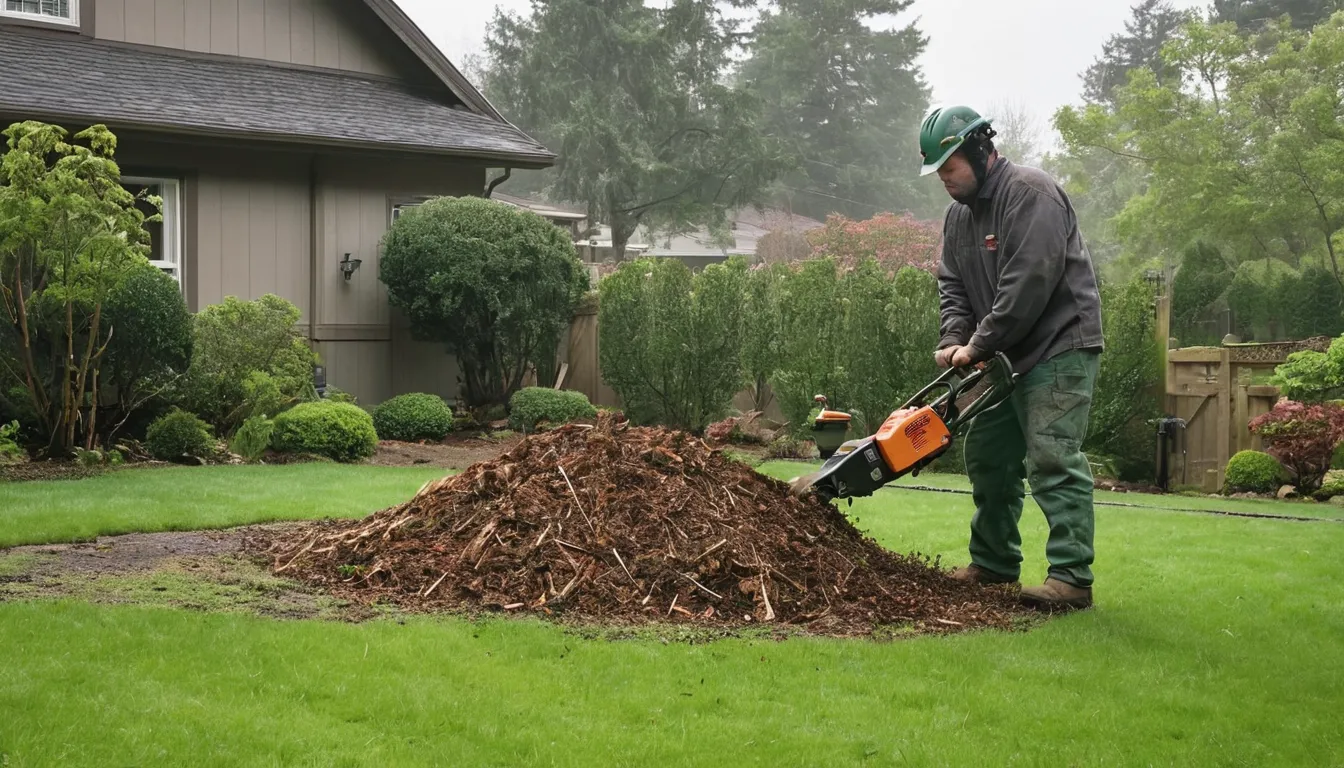
A lot of people think a stump will rot away on its own. In practice, it can take years, and it often attracts pests, sprouts and trip hazards along the way. In a damp climate with a long wet season, stumps tend to go soft and mossy but stay in place.
Defenseelementary Tree Service is a referral service. We do not grind stumps ourselves. We connect homeowners in Seattle and the Seattle area with independent local providers who look at the stump, quote the job in writing, and do the work. Request an estimate to get started, or call as a backup.
A lot of people think a stump is harmless once the tree is gone. In practice, it keeps causing trouble. It holds water, grows moss and gives pests a home. Stump grinding is the usual fix, and it is a job for a local provider with the right machine.
Small sign, small fix. Spot these early and the job stays simple.
Shoots near the stump mean the roots are still alive. They will keep coming back if you only cut them off.
In a long wet season, stump wood turns spongy fast. Soft wood draws insects and makes the stump harder to ignore.
Fungus means the wood is breaking down. That is fine in a forest. Near a wood-frame house or crawl space, it is a reason to look closer.
A decaying stump close to the home can be a bridge for pests. Do not wait for them to find the siding.
Windstorms sometimes bring a tree down, and a tree falling service or emergency tree removal crew clears the main trunk. The stump is often left behind, jagged and uneven. Many people assume it can wait forever. It can wait a while, but a sharp, splintered stump is a real hazard for kids, pets and mowers. Ask the provider about grinding during the same visit, or soon after.
You can safely do some prep work. The grinding itself is not one of those jobs.
Renting a grinder sounds like a money saver. A spinning cutter wheel throws chips and rocks hard, and the machine is heavy and hard to control. Buried pipes and cables add another risk. A provider brings the right gear and knows how to use it.
The provider sets up a grinder next to the stump. A rotating wheel with carbide teeth chews the wood a little at a time. It sweeps side to side and works down below ground level, usually several inches. What is left is a pile of wood chips and a patch of loose soil.
Many people think grinding and removal are the same thing. They are not.
For most lawns and garden beds, grinding is enough. Ask the provider which fits your plan.
Request a callback to check provider availability in your area.
Stump size is the biggest factor, followed by how easy it is to reach. A stump behind a narrow gate costs more effort than one in an open lawn. Hard roots, rocks and several stumps in one visit also change the total. Get a written quote before any cutting starts. Quote before cut.
A little prep keeps things smooth.
Some people think an old stump is too far gone to bother with. Not true. Even a stump left from years ago can be ground out. Older stumps are often drier and softer, though hidden roots may still be firm. If a previous owner left stumps behind, a provider can often handle several in one visit.
The chips can be used as mulch in beds, or the provider may haul them away if you ask. Fill the hole with topsoil, tamp it down and top it up as it settles. Seed or lay sod once the soil is firm. Keep an eye out for sprouts in the first season.
A grinder shreds the stump below ground level so the spot can be filled and planted.
Providers look at the surface roots that may need cutting back near paths and lawns.
Ask whether wood chips stay for mulch or get hauled away after the job is done.
Independent providers inspect the stump and put the price and scope in writing before work starts.
Prices vary by stump size, access and local rates. These are typical U.S. ranges only. A provider should inspect the job and give you a written quote before any work begins.
| Item | Typical range | Notes |
|---|---|---|
| Small stump (under 12 in.) | $100 – $250 | Easy access, one stump |
| Medium stump (12–24 in.) | $150 – $400 | Most common home size |
| Large stump (over 24 in.) | $300 – $700 | More wood and deeper roots |
| Extra stumps, same visit | $75 – $250 each | Often priced lower per stump |
| Hard-to-reach stump | $50 – $200 extra | Gates, slopes or tight space |
| Chip hauling and cleanup | $50 – $200 | Depends on volume |
Tell us about your stump, its size and where it sits in the yard.
We refer you to an independent provider in our network near you.
The provider inspects the stump and gives you a written quote.
Pick a time that suits you. The provider does the grinding and cleanup.
We explain what is true about stumps before you spend anything, so you choose with confidence.
You see which prep tasks are safe and which need pro gear.
You are matched with independent providers who work in your part of town.
Providers put the price in writing before they start cutting or grinding.
Tell us about your tree and request an estimate. A local provider in our network will follow up to talk through the job and your options.
No obligationEventually, but it can take many years. In a damp climate it often turns soft and mossy first, which draws pests and sprouts. Grinding is the faster way to clear it for good.
You can, but it is risky. The machine is heavy, and the cutter throws chips and rocks. Buried pipes and cables are another worry. Most homeowners are safer hiring a local provider.
Providers usually grind several inches below ground, enough for grass or small plants. If you want to build or plant a new tree on the spot, tell the provider and ask for a deeper grind.
Tell us about your tree and request an estimate. A local provider in our network will follow up to talk through the job and your options.
No obligation